How to Remove Water Spots from Car
Water spots on cars are a common problem for car owners and can be frustrating to remove. These unsightly marks can occur from rain, sprinklers, or hard water and, if left untreated, can damage the paint. In this guide, we’ll cover effective methods for removing water spots from your car, as well as how to prevent them from returning.
Understanding Water Spots on Cars
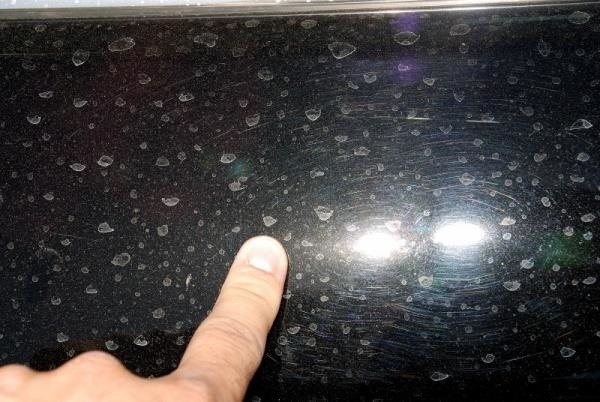
Water spots form when water containing minerals evaporates, leaving mineral deposits behind. These deposits etch into the car’s surface, creating marks that become more difficult to remove over time. There are two main types of water spots:
- Mineral Deposits: These spots are caused by minerals, like calcium and magnesium, in hard water. They form a chalky residue on the surface and can be removed with some effort.
- Etched Water Spots: These are tougher to handle and form when minerals penetrate the car’s clear coat. Etched water spots require more intense treatments to remove.
Let’s explore the most effective ways to tackle these stubborn spots.
How to Remove Water Spots from Car
1. Wash and Dry the Car
Why Regular Washing Helps
Washing the car regularly prevents water spots from becoming more difficult to remove. Dirt and debris make water spots cling to the surface, so frequent washing helps keep the car free of contaminants.
Steps to Wash the Car:
- Rinse the car thoroughly to remove loose dirt and particles.
- Use a pH-balanced car wash soap to avoid leaving additional residues.
- Dry the car immediately using a microfiber cloth to avoid new water spots.
2. Use Vinegar Solution for Light Water Spots
Benefits of Vinegar
Vinegar’s acidity helps dissolve mineral deposits, making it ideal for light to moderate water spots. It’s also an affordable and easily accessible option.
How to Use Vinegar Solution:
- Mix equal parts white vinegar and distilled water in a spray bottle.
- Spray the solution on the affected area and let it sit for 1-2 minutes.
- Wipe the spots with a microfiber cloth, applying gentle pressure.
- Rinse the area with clean water and dry it thoroughly to avoid further spots.
3. Apply a Clay Bar for Tougher Spots
Why Use a Clay Bar?
Clay bars are effective at removing contaminants embedded in the car’s surface, including tough water spots. They can reach into the clear coat without damaging it, making them an excellent choice for etched spots.
Steps to Use a Clay Bar:
- Wash and dry the car to remove any loose dirt.
- Use a clay lubricant (or soapy water) on the area with water spots.
- Rub the clay bar gently over the affected area, moving it back and forth until the spots are removed.
- Wipe the area with a clean microfiber cloth to remove any residue left by the clay bar.
4. Use a Dedicated Water Spot Remover
Choosing the Right Product
Water spot removers are formulated to dissolve mineral deposits without harming the paint. There are many options available at auto parts stores or online.
How to Use a Water Spot Remover:
- Apply the remover as directed on the product label.
- Use a microfiber cloth or sponge to rub the product onto the affected area.
- Let it sit for the recommended time before wiping it off.
- Rinse and dry the area to ensure no residue is left behind.
5. Polish for Severe Water Spots
When to Use Polish
Polishing is a more intensive treatment that removes a very fine layer of the car’s clear coat, effectively eliminating embedded spots and restoring shine.
How to Polish Your Car:
- Apply a small amount of car polish to a soft applicator pad.
- Rub the polish onto the water-spotted area in circular motions, applying light pressure.
- Buff the area with a microfiber towel to reveal a clean, glossy finish.
- Consider using a polishing machine for larger areas, but only if you’re comfortable with it.
6. Seal and Protect with Wax or Ceramic Coating
Importance of Waxing or Coating
Applying a protective layer, such as wax or ceramic coating, helps prevent future water spots by creating a barrier against water and other contaminants.
Steps for Waxing or Coating:
- Apply a thin layer of wax or ceramic coating after washing and drying the car.
- Buff the wax with a clean microfiber cloth for a shiny, water-repellent finish.
- Reapply the wax every few months, or as directed by the ceramic coating manufacturer.
Preventing Water Spots on Your Car
1. Park in Covered Areas
Parking under shelter or in a garage minimizes exposure to rain, sprinklers, and other sources of water spots.
2. Avoid Washing in Direct Sunlight
Washing the car in direct sunlight causes water to dry quickly, leaving spots. Instead, wash in the shade or early in the morning.
3. Use a Water Softener
If your area has hard water, consider using a water softener when washing your car to minimize mineral buildup.
4. Dry the Car Immediately After Washing
Air-drying can lead to water spots, so use a microfiber towel to dry the car thoroughly after washing.
Frequently Asked Questions (FAQs)
How to remove water spots from car windows?
To remove water spots from windows, mix a vinegar and water solution and apply it to the glass. Use a microfiber cloth to scrub the spots, rinse with water, and dry with a clean cloth.
Can water spots damage car paint?
Yes, water spots can damage car paint if left untreated. Minerals in hard water can etch into the clear coat, causing permanent marks and fading over time.
How often should I wax my car to prevent water spots?
It’s recommended to wax your car every three to four months. Waxing creates a protective layer that repels water, reducing the likelihood of water spots.
Is it safe to use a clay bar on my car’s paint?
Yes, a clay bar is safe for use on car paint when used with a lubricant. It helps remove contaminants without scratching the surface, but it should be done carefully.
What if the water spots don’t come off?
If water spots don’t come off after trying vinegar, clay, or polish, you may need professional detailing. Severe etching may require expert treatment to avoid damaging the car’s clear coat.
Removing water spots from a car may seem like a tedious task, but using the right techniques can make it manageable and help maintain the car’s appearance. Regular maintenance, proper washing, and protective layers can go a long way in preventing water spots from damaging your vehicle.