
Affordable Off-Grid Solar System Options in Canada
Understanding Off-Grid Solar Systems
Components of an Off-Grid Solar System
An off-grid solar system is made up of several key parts. These include solar panels, a charge controller, batteries, and an inverter. Solar panels capture sunlight and turn it into electricity. The charge controller manages the power going into the batteries. Batteries store the energy for later use, and the inverter changes the stored energy into a form that can power your home.
Benefits of Going Off-Grid
Going off-grid has many benefits. First, it gives you energy independence. You won’t have to rely on the power company. Second, it can save you money in the long run. Once the system is set up, the energy from the sun is free. Third, it’s good for the environment. Solar power doesn’t produce pollution.
Challenges and Considerations
There are also some challenges to think about. Setting up an off-grid system can be expensive at first. You also need to make sure you have enough batteries to store energy for cloudy days. Maintenance is another thing to consider. You will need to keep the panels clean and check the batteries regularly.
Going off-grid can be a great choice, but it’s important to plan carefully and understand all the parts involved.
Top Affordable Off-Grid Solar Kits Available in Canada
Features to Look For
When choosing an off-grid solar system in Canada, it’s important to consider several key features. Battery capacity is crucial for storing energy for use during cloudy days or at night. Look for kits that include high-efficiency solar panels, as they can generate more power even in less-than-ideal conditions. Additionally, ensure the kit has a reliable inverter to convert the solar energy into usable electricity.
Popular Brands and Models
Several brands offer affordable and reliable off-grid solar kits in Canada. Some popular options include:
- Renogy 400W Solar Starter Kit: Known for its ease of installation and reliable performance.
- Eco-Worthy 1200W Complete Solar Panel Kit: Offers a higher power output, suitable for larger energy needs.
- WindyNation 400W Solar Kit: A budget-friendly option with good customer reviews.
Customer Reviews and Feedback
Customer feedback is invaluable when selecting an off-grid solar system. Many users praise the Renogy 400W kit for its user-friendly setup and consistent power output. The Eco-Worthy 1200W kit is often highlighted for its robust build and higher energy production, making it ideal for larger homes or cabins. WindyNation’s 400W kit receives positive reviews for its affordability and decent performance, though some users note that the installation instructions could be clearer.
Choosing the right off-grid solar system can make a significant difference in your energy independence and overall satisfaction. Always consider your specific energy needs and budget when making a decision.
Installation and Maintenance of Off-Grid Solar Systems
DIY Installation Tips
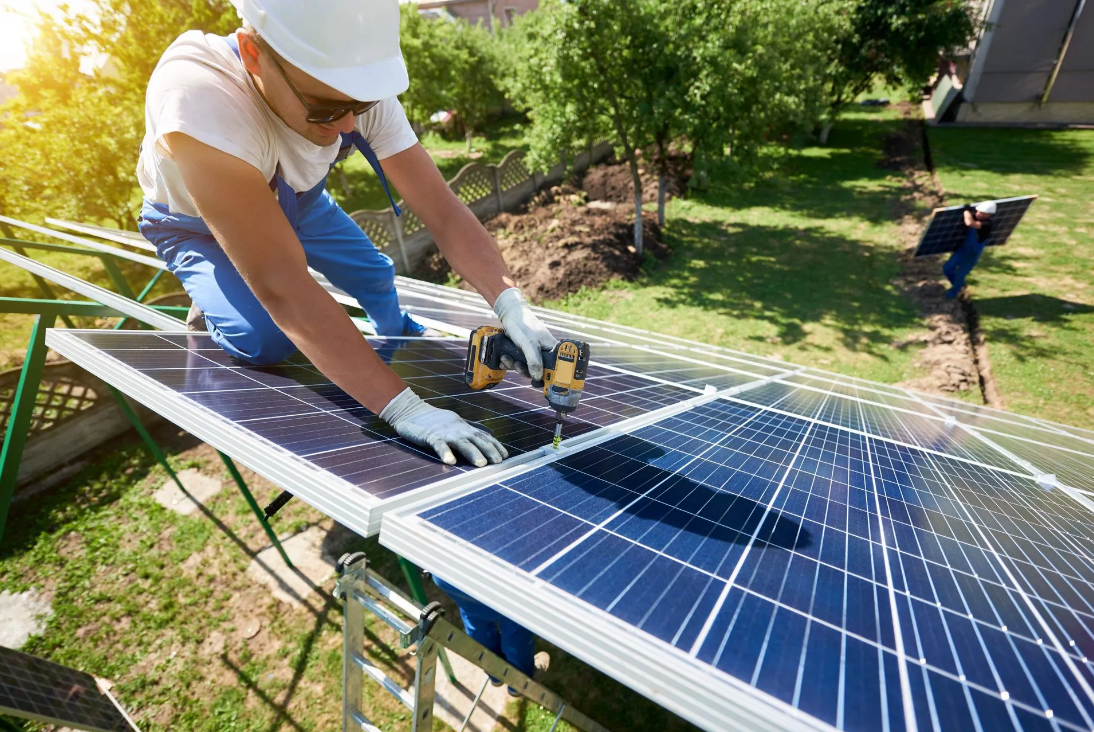
Installing an off-grid solar system yourself can save money, but it requires careful planning. Start by choosing the right location for your solar panels. They need to be in a spot that gets plenty of sunlight throughout the day. Next, follow the instructions provided with your solar kit. Make sure to use the right tools and safety gear. It’s also a good idea to watch some tutorial videos or read guides online.
Hiring Professional Installers
If DIY isn’t your thing, hiring a professional installer is a great option. They have the experience and tools needed to get the job done right. When choosing an installer, look for someone with good reviews and proper certifications. Ask for a detailed quote before starting the project to avoid any surprises.
Routine Maintenance Guidelines
Keeping your off-grid solar system in good shape is important for its long-term performance. Here are some simple maintenance tips:
- Clean the solar panels regularly to remove dust and debris.
- Check the battery connections and water levels (if applicable).
- Inspect the wiring and connections for any signs of wear or damage.
- Monitor the system’s performance to catch any issues early.
Regular maintenance can help extend the life of your solar system and ensure it runs efficiently.
Financial Incentives and Rebates for Solar Systems in Canada
Federal and Provincial Programs
Canada offers various financial incentives to encourage the adoption of solar energy. Federal programs often provide tax credits and grants to reduce the initial cost of solar systems. Provincial programs, like those in Ontario, offer additional rebates and incentives. Ontario solar installers can guide you through the available options.
How to Apply for Rebates
Applying for solar rebates can be straightforward if you follow these steps:
- Research: Look up federal and provincial programs that offer solar incentives.
- Consult: Speak with Ontario solar installers to understand the specific requirements and benefits.
- Prepare Documents: Gather necessary documents like proof of purchase and installation details.
- Submit Application: Fill out the application forms and submit them along with the required documents.
- Follow Up: Keep track of your application status and provide any additional information if needed.
Maximizing Financial Benefits
To get the most out of the available incentives, consider these tips:
- Combine Programs: Use both federal and provincial rebates to maximize savings.
- Stay Updated: Incentive programs can change, so keep an eye on the latest updates.
- Work with Professionals: Ontario solar installers can help you navigate the application process and ensure you meet all criteria.
Taking advantage of these financial incentives can significantly lower the cost of your off grid solar system Canada, making it a more affordable and sustainable option.
Case Studies of Successful Off-Grid Solar Installations
Residential Installations
In Canada, many homeowners have successfully switched to off-grid solar systems. One key example is a family in British Columbia who installed a 5kW system. They now enjoy reliable power year-round, even during the snowy winter months. Their system includes solar panels, a battery bank, and a backup generator for cloudy days.
Commercial Installations
Businesses are also seeing the benefits of off-grid solar. A farm in Ontario installed a 10kW system to power their operations. This setup has reduced their electricity costs significantly and made their business more sustainable. The farm’s system includes high-efficiency panels and a large battery storage unit.
Lessons Learned from Real-World Examples
- Proper Planning: It’s crucial to plan your system based on your energy needs and local weather conditions.
- Quality Components: Investing in high-quality panels and batteries can save money in the long run.
- Maintenance: Regular maintenance ensures the system runs efficiently and lasts longer.
Off-grid solar systems can be a reliable and cost-effective solution for both homes and businesses in Canada. With the right planning and components, you can enjoy clean energy and reduce your reliance on the grid.
Future Trends in Off-Grid Solar Technology
Advancements in Solar Panels
Solar panel technology is evolving rapidly. Newer panels are becoming more efficient, meaning they can convert more sunlight into electricity. This is great news for those looking to maximize their energy output. Some of the latest panels are also more durable and can withstand harsh weather conditions better than older models.
Battery Storage Innovations
Battery storage is a crucial part of any off-grid solar system. Recent innovations have led to batteries that last longer and store more energy. This means you can have power even when the sun isn’t shining. Some new batteries are also more environmentally friendly, using materials that are easier to recycle.
Smart Grid Integration
Smart grid technology is making it easier to manage off-grid solar systems. These systems can now communicate with each other and with the main power grid. This allows for better energy management and can even help you sell excess power back to the grid. Smart grids can make your off-grid system more efficient and cost-effective.
The future of off-grid solar technology looks bright, with many exciting advancements on the horizon. These innovations will make it easier and more affordable for everyone to go off-grid.
Frequently Asked Questions
What is an off-grid solar system?
An off-grid solar system is a setup that allows you to generate your own electricity using solar panels and store it in batteries, without relying on the main power grid.
What are the main parts of an off-grid solar system?
The main parts include solar panels, batteries, a charge controller, an inverter, and sometimes a backup generator.
Why should I consider going off-grid?
Going off-grid can reduce your electricity bills, make you energy-independent, and is better for the environment.
What are some challenges of using an off-grid solar system?
Some challenges include the initial cost, the need for regular maintenance, and the requirement for enough sunlight to generate power.
Are there any financial incentives for installing solar systems in Canada?
Yes, there are several federal and provincial programs that offer rebates and incentives to help reduce the cost of installing solar systems.
Can I install an off-grid solar system by myself?
Yes, you can install it yourself if you have the right skills and tools, but hiring a professional installer can ensure it’s done correctly and safely.