
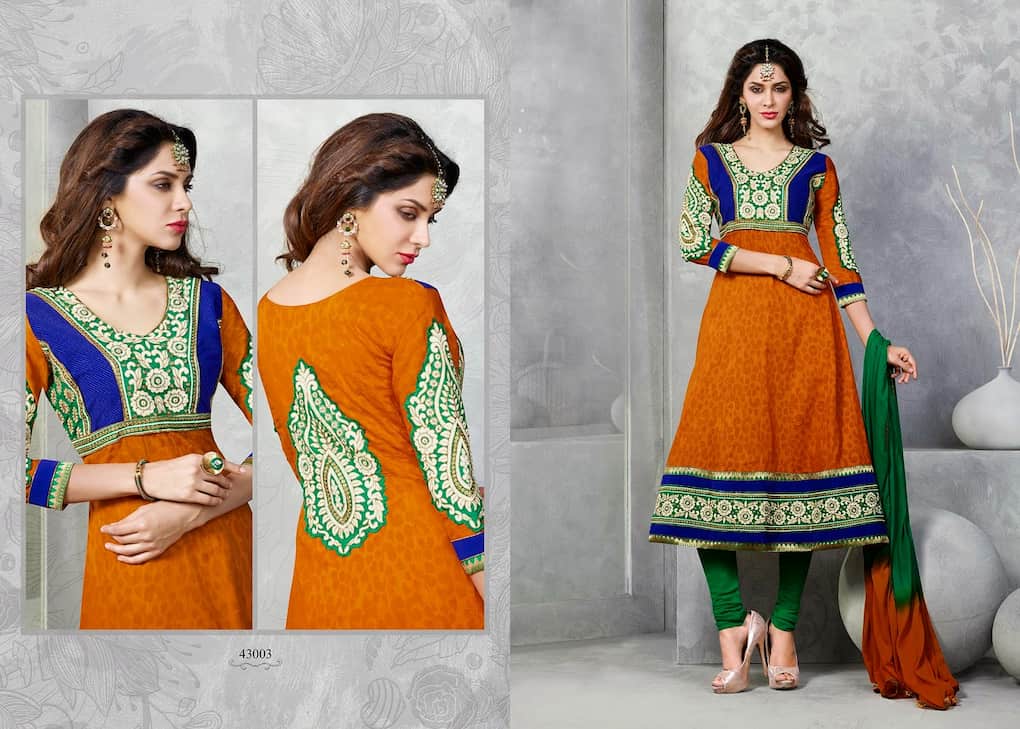
Exploring The Timeless Elegance of Salwar Kameez
The salwar kameez has a rich historical background, tracing its origins back to the Mughal era. This attire, traditionally worn by both men and women, has undergone significant transformation over the centuries. Initially, the salwar kameez was a simple, functional outfit designed for ease of movement. However, with the influence of Mughal royalty, it evolved into a more elaborate and elegant garment. The integration of intricate embroidery, luxurious fabrics, and detailed craftsmanship elevated the salwar kameezes from a utilitarian outfit to a symbol of status and sophistication.
Cultural Significance in South Asia
The salwar kameez holds profound cultural significance in South Asia, particularly in India, Pakistan, and Bangladesh. It is more than just a piece of clothing; it embodies the traditions, values, and heritage of the region. Worn during festivals, weddings, and religious ceremonies, the salwar kameezes represents modesty, grace, and cultural pride.
In many families, the patterns and styles of salwar-kameez are passed down through generations, preserving the unique cultural identity and craftsmanship of each community. The garment’s versatility also allows it to be adapted for various occasions, making it an integral part of South Asian attire.
Variety of Styles and Designs
https://youtu.be/qUBbPfwLSo8?si=rqcsd4vwZCJbmu4a
The salwar kameez is renowned for its versatility, offering a wide range of styles and designs to suit different preferences and occasions. From the traditional straight-cut kameez paired with loose salwar pants to the more contemporary Anarkali suits with flared skirts, the options are endless. Designers often experiment with necklines, sleeve lengths, and cuts to create unique and fashionable pieces.
The incorporation of different fabrics, colours, and embellishments further adds to the diversity, allowing individuals to express their personal style while adhering to cultural norms. This adaptability ensures that the salwar kameez remains a timeless and popular choice across generations.
Modern Adaptations and Trends
In recent years, the salwar kameez has seen a resurgence in popularity thanks to modern adaptations and trends. Fashion designers are reimagining this traditional attire by blending contemporary elements with classic designs. The use of bold prints, asymmetrical cuts, and innovative draping techniques has given it a fresh and modern appeal.
Additionally, the fusion of Western and Eastern styles has led to the creation of chic and trendy outfits that cater to the tastes of the younger generation. These modern adaptations not only preserve the essence of the salwar kameez. Also make it relevant in the ever-evolving fashion landscape.
Fabric Choices and Their Impact
The choice of fabric plays a crucial role in the look and feel of a salwar kameez. Different fabrics can dramatically alter the appearance and suitability of the outfit for various occasions. Lightweight fabrics like cotton and linen are ideal for everyday wear, especially in warmer climates, as they provide comfort and breathability. Silk, chiffon, and georgette are often chosen for formal occasions due to their luxurious texture and elegant drape.
The fabric also influences the type of embellishments that can be used. With heavier fabrics supporting intricate embroidery and lighter fabrics favouring delicate work. The wide range of fabric choices ensures that the it can be customized to fit any event or personal preference.
Occasions for Wearing Salwar Kameez
The versatility of the salwar kameez makes it suitable for a variety of occasions, from casual outings to formal events. For daily wear, simple and comfortable designs in breathable fabrics like cotton are popular. For office wear, more tailored and sophisticated styles are chosen, often in subtle colours and minimalistic designs.
Festive occasions and weddings call for heavily embellished and richly embroidered salwar kameezes made from luxurious fabrics like silk or brocade. The ability to dress up or down with accessories and a choice of fabric makes the salwar kameez a go-to outfit for women across South Asia for virtually any occasion.
The Role of Embroidery and Embellishments
Embroidery and embellishments are key elements that enhance the beauty of a salwar kameez. Traditional techniques such as zardozi, chikankari, and phulkari add intricate patterns and textures to the garment, transforming simple fabrics into works of art. These embellishments can range from subtle threadwork to elaborate beading and sequins, depending on the occasion and personal style.
The choice of embellishment often reflects regional craftsmanship and cultural heritage, making each salwar kameez unique. The detailed work not only adds visual appeal but also elevates the garment’s elegance. Making it suitable for special occasions and celebrations.
Summary
The salwar kameezes showcases a rich tapestry of regional variations across India and Pakistan, each with distinct styles and characteristics. In Punjab, the traditional Punjabi suit features a short kameez paired with a patiala salwar, which is known for its multiple pleats. In Kashmir, the phiran, a loose-fitting kameez, is popular, often adorned with intricate embroidery. Pakistani salwar kameez designs are known for their elaborate and flowing silhouettes, often incorporating heavy embellishments and luxurious fabrics. The diversity in regional styles reflects the cultural richness and historical influences of each area. Offering a wide array of choices for those who appreciate the traditional elegance of the salwar kameez.
Also Read: Different Types of Linen Fabric for Interior Design