How Can an Osteopath Help with Stress and Anxiety?
In the functioning of any machine, the breakdown of one part often triggers a chain reaction affecting other components. Mere restoration of the secondary parts isn’t enough for the system to operate at full capacity; identifying the root issue causing the initial breakdown is crucial for sustained functionality. Likewise, the human body operates on a similar principle of interconnectedness. Each bodily system, be it the nervous, cardiovascular, or musculoskeletal system, collaborates to facilitate everyday functions. When a disruption occurs, whether physical, emotional, or mental, its repercussions spread across various bodily systems, impacting overall health.
Addressing the cause of the problem becomes imperative to restore complete health. Osteopath Ashford, through its holistic approach, recognises this interconnectedness within the body. By focusing on resolving the root cause rather than merely alleviating symptoms, an osteopath aims for comprehensive healing, ensuring that all systems work harmoniously. This approach not only treats the immediate issue but also prevents future complications by restoring the body’s balance and functionality. Osteopaths employ several techniques to treat conditions linked to anxiety.
Stretching:
Maintaining muscle flexibility and strength is crucial to preserve a complete range of motion in joints. Stretching plays a pivotal role in achieving this by keeping muscles supple and robust. Particularly for stiffness induced by anxiety, focusing on stretches for the neck, upper back, and thoracic area proves beneficial. These stretches not only alleviate muscular tension but also promote a sense of tranquillity, potentially aiding in improved sleep patterns. By incorporating these targeted stretches into a routine, individuals can actively mitigate the physical manifestations of anxiety, fostering relaxation and overall well-being.
Articulation:
Articulation, a technique employed by osteopaths, aims to enhance movement within joints that face limitations. When a joint loses its ability to move freely within its natural range, it triggers the tightening of associated muscles, leading to discomfort. Stress and anxiety often contribute to restricted movement in the shoulders, intensifying tension in the upper back region. Through articulation techniques, osteopaths work to restore the fluidity of these joints, alleviating the resulting muscle tightness. By addressing the root cause of restricted movement, osteopathy aids in easing physical discomfort caused by stress-related tension, ultimately promoting a sense of relief and improved mobility.
Thrust Technique:
The thrust technique involves delivering rapid, forceful movements to a joint to enhance its range of motion and stimulate improved blood circulation. While commonly associated with chiropractic care for spinal realignment, osteopaths apply this technique to multiple joints and muscles throughout the body. By employing quick, precise thrusts, osteopaths seek to restore proper movement in affected areas, facilitating increased mobility and promoting better circulation. This method serves as a versatile tool within osteopathy, aiding in addressing various joint and muscle-related issues beyond spinal adjustments, ensuring a more comprehensive approach to musculoskeletal health.
Breathing Exercises:
Engaging in specific breathing exercises proves highly beneficial in reducing both heart rate and blood pressure. These exercises offer an effective means to alleviate feelings of anxiety, providing a portable and accessible method for immediate relief. Their versatility allows individuals to practice these techniques anytime and anywhere, empowering them to manage anxious moments effectively. By employing controlled breathing patterns, one can induce a sense of calmness, regulating the body’s physiological responses and promoting a state of relaxation. Incorporating these simple yet powerful exercises into daily routines offers a practical strategy to combat stress and anxiety, fostering a greater sense of well-being.
Gentle Manipulation:
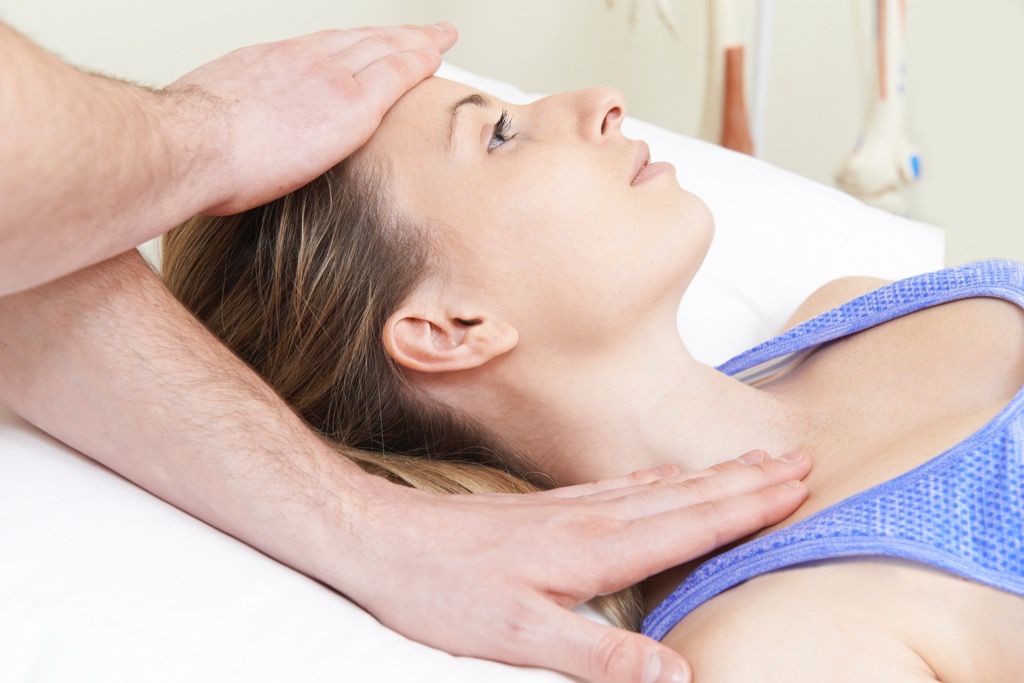
Osteopathic adjustments encompass delicate manipulation of the body’s musculoskeletal framework, encompassing the spine and various joints. Through these gentle manoeuvres, osteopaths aim to enhance circulation and relieve the physical discomfort often linked to stress and anxiety. These manipulations target specific areas to restore optimal movement and function, alleviating tension and promoting a sense of ease within the body. By addressing the musculoskeletal system’s alignment and function, these gentle adjustments contribute to diminishing the physical manifestations of stress, thereby fostering a more relaxed and comfortable state. This approach aims not only for immediate relief but also for long-term well-being by enhancing the body’s capacity to manage stress-related tensions.
Postural Assessment:
Analysing and rectifying postural imbalances is crucial as poor posture often leads to increased muscle tension and stress. Osteopathy intervenes to address these issues, aiming to enhance the alignment of the musculoskeletal system. By identifying and correcting posture-related concerns, osteopaths assist in relieving physical stress placed on muscles and joints. Through targeted interventions and guidance, they work towards improving overall musculoskeletal alignment, ultimately reducing the strain caused by poor posture. This approach not only aids in alleviating immediate discomfort but also contributes to long-term musculoskeletal health and a reduction in stress-related symptoms.
In the field of holistic healthcare, osteopathy plays a vital role in addressing stress and anxiety. By focusing on the interconnectedness of physical, mental, and emotional aspects, osteopaths offer a comprehensive approach to promoting well-being. Through hands-on techniques, lifestyle guidance, and a holistic perspective, osteopathy stands as an avenue toward managing and alleviating stress and anxiety.
Also read:
How Can Doctors Maintain a Healthy Work-Life Balance?