How to Keep Apples from Turning Brown: Simple Tips and Tricks for Freshness
Introduction: The Mystery of Brown Apples
We’ve all been there: you slice into a fresh, juicy apple, only to watch it turn brown right before your eyes. The process happens fast, and suddenly, your apple looks unappetizing, even though it still tastes perfectly fine. So, what causes apples to turn brown, and more importantly, how to keep apples from turning brown? Whether you’re prepping a fruit salad, storing apples for later, or just enjoying a healthy snack, knowing how to prevent browning can make all the difference. In this article, we’ll dive into the science behind apple browning and share some of the best tips and tricks for keeping your apples crisp and fresh.
Why Do Apples Turn Brown?
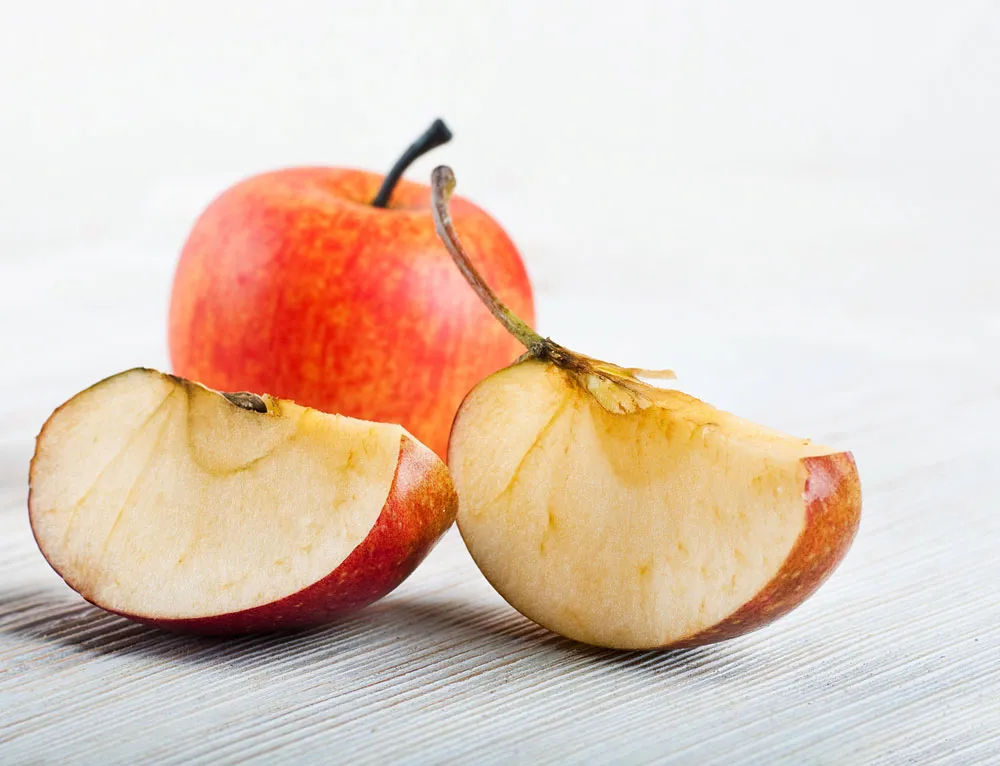
Before we tackle how to keep apples from turning brown, let’s understand why this happens in the first place. Apples, like many other fruits, contain an enzyme called polyphenol oxidase (PPO). When you cut an apple, its cells are broken, and this enzyme interacts with oxygen in the air. This reaction leads to the formation of melanin, which is responsible for the brown discoloration you see.
It’s a natural process known as enzymatic browning, and while it’s harmless, it can affect the look and texture of your apples, making them less appealing. So, is there a way to slow it down or prevent it entirely? Absolutely!
Natural Methods to Keep Apples from Turning Brown
1. Lemon Juice: The Ultimate Savior
One of the easiest and most effective ways to stop apples from browning is by using lemon juice. The citric acid in lemon juice helps prevent the PPO enzyme from reacting with oxygen, keeping your apples fresh for longer. It also adds a nice tangy flavor to your slices!
How to Use:
-
Simply squeeze fresh lemon juice over your apple slices, ensuring they’re fully coated.
-
Alternatively, you can mix lemon juice with water and soak the slices for a few minutes.
-
Be sure to wipe off any excess lemon juice before serving to avoid an overpowering citrus taste.
Pro Tip: You can even use lime juice or orange juice if you’re looking for a slightly different flavor profile.
2. Saltwater Soak: A Handy Trick
While it may sound unusual, soaking your apple slices in saltwater can help prevent browning. The salt helps reduce the amount of oxygen the apple is exposed to, slowing down the enzymatic browning process.
How to Use:
-
Mix a teaspoon of salt in a cup of water.
-
Soak the apple slices for around 3-5 minutes.
-
Rinse off the saltwater before serving.
This method works particularly well if you’re preparing a big batch of sliced apples for a picnic or party, as it can keep them fresh for hours.
3. Honey Water: Nature’s Solution
If you’re not keen on using lemon juice or salt, you can try a more natural method using honey. Honey contains a natural preservative that prevents apples from turning brown by blocking the oxygen from interacting with the enzymes.
How to Use:
-
Mix a tablespoon of honey with a cup of water.
-
Soak your apple slices in the honey water for a few minutes.
-
Drain off any excess liquid before serving.
Not only does this method help maintain freshness, but it also gives your apples a subtle sweet taste. It’s perfect for anyone who loves a sweet crunch!
4. Citric Acid Solution: A Store-Bought Option
For a more straightforward solution, you can buy citric acid (also known as sour salt), which is commonly used in canning. It’s a concentrated form of the citric acid found in citrus fruits, and it works wonders for preventing browning.
How to Use:
-
Dissolve 1 teaspoon of citric acid in a cup of water.
-
Dip your apple slices into the solution for about 2-3 minutes.
-
Drain the slices and enjoy.
This method is a favorite for those who are looking for an easy, hassle-free way to keep apples from turning brown while avoiding any strong flavors.
Tips for Storing Apples to Prevent Browning
If you’re wondering how to keep apples from turning brown after storing them, it’s all about proper storage. The way you store your apples can make a huge difference in how long they stay fresh.
1. Refrigeration is Key
Apples last longer when stored in the refrigerator, as the cold slows down the oxidation process. If you don’t plan on using them right away, keep your apples in the fridge to prolong their shelf life.
Pro Tip: Store apple slices in an airtight container with a damp paper towel. This keeps them hydrated and prevents them from drying out or turning brown too quickly.
2. Use Plastic Wrap or Ziplock Bags
If you’ve already sliced your apples, make sure to wrap them up tightly in plastic wrap or store them in a ziplock bag. The less air they’re exposed to, the slower the browning process will be. Pressing out as much air as possible helps prevent oxidation.
How to Keep Apples from Turning Brown in Salads
Fruit salads are a great way to enjoy apples, but they’re often the first to turn brown once you add those fresh slices. If you want to keep your salad looking vibrant, try these simple tricks:
1. Mix in Citrus Juice
Toss your apple slices in some lemon juice, lime juice, or orange juice before mixing them into the salad. The citrus juice not only adds flavor but also prevents the apples from browning. You can even add the juice to the entire salad if you’re preparing a big batch.
2. Toss with Pineapple Juice
Another option is pineapple juice. It’s rich in vitamin C and helps delay the oxidation process. The flavor complements the apples well, especially in tropical-themed fruit salads.
Commercial Products to Prevent Browning
For those who prefer convenience, there are commercial products available that are specifically designed to keep apples from turning brown. These usually contain antioxidants or preservatives to slow down the browning process.
1. Apple Freshness Preservers
Several brands offer apple freshness preservers, which are usually in the form of sprays or powders. Simply spray or sprinkle the product on the apple slices, and it will form a protective barrier against oxidation.
2. Pre-packaged Apple Slices
Many grocery stores sell pre-sliced apples that have been treated with a preservative solution to keep them fresh. These apples typically come in vacuum-sealed packages that prevent air from reaching them, preserving their crispness and color.
FAQs: How to Keep Apples from Turning Brown
Q1: How long will apple slices stay fresh before turning brown?
Apple slices can begin to brown within 10-15 minutes when exposed to air, but with the right precautions, you can keep them fresh for several hours or even a couple of days in the fridge.
Q2: Is it safe to eat browned apples?
Yes! While browned apples may not look as appealing, they are still perfectly safe to eat. The browning is simply a natural oxidation process, and the apple is still nutritious and safe to consume.
Q3: How do I keep apples from browning in a lunchbox?
To keep apples fresh in a lunchbox, use an airtight container, and try adding a few drops of lemon juice or using a snack-sized plastic bag to store the slices. You can also place a damp cloth in the container to keep the apples hydrated.
Q4: Will using honey or lemon juice affect the taste of my apples?
Both honey and lemon juice can alter the taste of apples, but the changes are usually mild and can even enhance the flavor. If you’re concerned, try using small amounts and testing different methods to find the flavor profile you prefer.
Conclusion: A Little Prevention Goes a Long Way
Knowing how to keep apples from turning brown can save you time, hassle, and waste. Whether you choose natural methods like lemon juice or honey water, or opt for commercial products, there are plenty of options available to help preserve the crispness and color of your apples. And, with a little care in how you store your apples, you can enjoy fresh, browning-free slices for longer.
Next time you’re prepping apples for a snack or recipe, try one of these tips, and enjoy your crisp, beautiful fruit without the worry of it turning brown too quickly!