
How Wall Thickness Gauges Ensure Compliance with Industry Standards
Ensuring precision and adherence to industry standards is paramount in sectors where structural integrity and safety are non-negotiable. Wall thickness gauges play a pivotal role in this regard, offering reliable measurements that aid in compliance with stringent regulations across various industries. From manufacturing plants to construction sites, understanding how these devices contribute to maintaining standards is crucial.
The Importance of Accurate Measurements
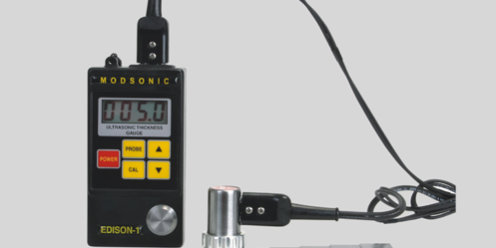
Wall thickness gauge is designed to measure the thickness of materials such as metals, plastics, and composites. Their primary function is to provide precise readings that indicate whether a material meets required specifications. In industries like manufacturing, where components must withstand specific pressures or stresses, even minor deviations from the prescribed thickness can compromise safety and operational efficiency.Ensuring Structural Integrity
In sectors involving pipelines, pressure vessels, or structural steel, maintaining the correct wall thickness is critical for ensuring structural integrity. Wall thickness gauges allow inspectors and engineers to verify that materials meet design specifications and regulatory requirements. This proactive approach helps prevent failures that could result in costly repairs, downtime, or even safety hazards.Compliance with Regulatory Standards
Regulatory bodies enforce strict standards to safeguard public safety and environmental health. Industries must comply with these standards to operate legally and responsibly. Wall thickness gauges provide the data necessary to demonstrate compliance during inspections and audits. By consistently monitoring material thickness, organizations can avoid penalties and maintain a reputation for reliability and adherence to regulations.Enhancing Quality Assurance
Quality assurance processes rely heavily on accurate measurements. Wall thickness gauges contribute significantly to these processes by enabling real-time monitoring of material thickness during production or construction. This capability allows for immediate adjustments if deviations are detected, ensuring that end products meet high-quality standards before reaching the market or being put into service.Application Across Diverse Industries
The versatility of wall thickness gauges extends across a wide range of industries:- Oil and Gas: Used for inspecting pipelines and storage tanks to prevent leaks and structural failures.
- Manufacturing: Essential for ensuring consistency in product quality and durability.
- Aerospace: Critical in maintaining the integrity of aircraft components under varying operational conditions.
- Construction: Employed to assess the thickness of structural elements like beams and columns to meet building codes.
Advantages of Modern Wall Thickness Gauges
Today’s wall thickness gauges are equipped with advanced features that enhance usability and accuracy:- Non-Destructive Testing (NDT): Allows measurements without damaging the material, ideal for assessing components without compromising their structural integrity.
- Digital Interfaces: Enable precise readings and data storage, facilitating comprehensive analysis and reporting.
- Portable Designs: Facilitate on-site inspections, reducing downtime and transportation costs associated with off-site testing.
Future Trends and Innovations
As industries evolve, so do the technologies supporting them. Future advancements in wall thickness gauges may include:- Integration with IoT: Allowing for real-time data transmission and remote monitoring.
- AI and Machine Learning: Enhancing predictive maintenance capabilities based on historical data and performance trends.
- Enhanced Durability and Portability: Making gauges more robust and easier to use in challenging environments.