
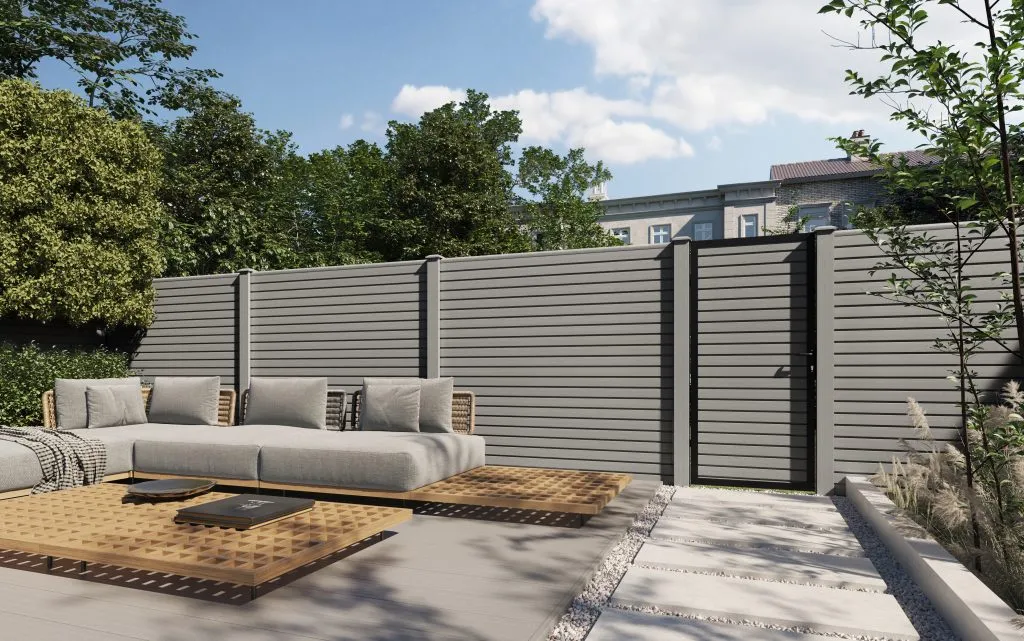
Sustainable Privacy Why Composite Fencing is the Future of Outdoor Spaces
In a world where sustainability is no longer a choice but a necessity, the materials we use in our homes and outdoor spaces play a significant role in shaping a greener future. Among these innovations, composite fencing has emerged as a revolutionary solution for creating private, stylish, and durable outdoor areas. Offering a perfect blend of functionality, aesthetics, and environmental responsibility, composite fencing is quickly becoming the preferred choice for homeowners, businesses, and architects alike.
In this comprehensive guide, we’ll explore the unique benefits of composite fencing, its role in sustainable living, and why it’s set to dominate outdoor design in the coming years.
What is Composite Fencing?
Composite fencing is made from a blend of recycled wood fibers and plastic polymers, creating a material that combines the natural beauty of wood with the resilience of plastic. This innovative composition ensures durability, low maintenance, and resistance to weather, pests, and rot.
Key Features of Composite Fencing
- Eco-Friendly: Made from recycled materials, composite fencing minimizes deforestation and reduces plastic waste.
- Durable: Resistant to moisture, UV rays, and pests, it can withstand harsh weather conditions.
- Low Maintenance: Unlike traditional wood, composite fencing doesn’t require staining, painting, or sealing.
- Aesthetic Appeal: Available in a variety of colors, textures, and styles, it mimics the natural look of wood while offering modern designs.
For more information on composite fencing, visit our WPC Fencing page.
The Role of Composite Fencing in Sustainability
Sustainability is at the core of composite fencing, making it an ideal choice for environmentally conscious homeowners and businesses. Here’s how composite fencing contributes to a greener planet:
1. Reduces Deforestation
Traditional wood fences require the harvesting of trees, contributing to deforestation and habitat loss. Composite fencing, on the other hand, uses recycled wood fibers, significantly reducing the demand for virgin timber.
- Impact: By choosing composite fencing, you’re supporting sustainable forestry practices and protecting natural ecosystems.
2. Promotes Recycling and Waste Reduction
The plastic component of composite fencing is often sourced from recycled materials, such as discarded plastics. This not only reduces landfill waste but also repurposes materials that would otherwise harm the environment.
- Circular Economy: Composite fencing aligns with circular economy principles, where waste is minimized and materials are reused.
3. Long Lifespan Reduces Replacement Waste
Composite fencing is built to last for decades without deteriorating, unlike traditional wood fences that require frequent replacements due to rot, pests, or weather damage.
- Environmental Benefit: A longer lifespan means fewer resources are consumed for replacements, reducing overall environmental impact.
4. Low Maintenance Means Fewer Chemicals
Traditional wood fencing requires regular staining, sealing, or painting to maintain its appearance and protect against the elements. These treatments often involve harsh chemicals that can leach into the soil and water.
- Eco-Friendly Advantage: Composite fencing eliminates the need for these treatments, ensuring a cleaner, safer environment.
Why Composite Fencing is Perfect for Outdoor Spaces
1. Privacy and Security
Composite fencing offers excellent privacy, creating a secure barrier around your property. Its solid panels are designed to block visibility, reduce noise, and provide a sense of seclusion for outdoor living spaces.
- Example: A backyard enclosed with composite fencing becomes a private sanctuary, perfect for relaxing or entertaining guests.
2. Durability in All Weather Conditions
Whether it’s intense sunlight, heavy rainfall, or snow, composite fencing is engineered to withstand the harshest climates. Unlike traditional wood, it doesn’t warp, crack, or fade over time.
- Why It Matters: For homeowners in coastal or humid areas, composite fencing offers superior resistance to moisture and salt, ensuring longevity.
3. Aesthetic Versatility
Available in a wide range of colors, finishes, and styles, composite fencing can complement any architectural design. From classic wood-like finishes to sleek, modern panels, it allows for creative customization.
- Design Options: Choose from horizontal slats for a contemporary look or traditional vertical panels for a timeless appeal.
4. Easy Installation
Composite fencing is designed for hassle-free installation, with modular panels and hidden fasteners that ensure a clean, seamless finish. This makes it a popular choice for both DIY enthusiasts and professional contractors.
- Cost Savings: The ease of installation reduces labor costs and project timelines.
5. Minimal Maintenance
One of the standout features of composite fencing is its low maintenance requirements. Unlike wood, which requires regular care, composite fencing needs only occasional cleaning with water and mild soap.
- Time Saver: Spend more time enjoying your outdoor spaces and less time maintaining them.
Applications of Composite Fencing
1. Residential Spaces
- Privacy Fences: Enclose backyards, gardens, or patios to create private retreats.
- Decorative Features: Use composite panels to enhance the aesthetic appeal of outdoor areas.
2. Commercial Properties
- Boundary Walls: Define property lines with durable and professional-looking fencing.
- Outdoor Dining Areas: Create enclosed spaces for restaurants or cafes that balance privacy and style.
3. Public Spaces
- Parks and Playgrounds: Composite fencing provides safety and durability for community spaces.
- Event Spaces: Temporary or permanent fencing for public events ensures both functionality and aesthetics.
Maintenance Tips for Composite Fencing
To ensure your composite fencing remains in top condition for years, follow these simple maintenance tips:
- Regular Cleaning: Sweep away dirt and debris and rinse with water as needed.
- Avoid Harsh Chemicals: Use mild soap or composite-specific cleaners to maintain the finish.
- Inspect Periodically: Check for loose panels or fasteners and make adjustments if necessary.
- Trim Surrounding Vegetation: Keep plants and trees trimmed to prevent scratches or debris buildup.
Comparing Composite Fencing to Traditional Options
Composite Fencing vs. Wood
- Durability: Composite fencing lasts longer and doesn’t rot, warp, or attract pests.
- Maintenance: Wood requires regular staining and sealing, while composite fencing does not.
- Cost: Composite fencing may have a higher upfront cost but offers better long-term value.
Composite Fencing vs. Vinyl
- Eco-Friendliness: Composite fencing is made from recycled materials, unlike vinyl.
- Aesthetics: Composite fencing offers a more natural wood-like appearance compared to vinyl’s plastic look.
- Strength: Composite fencing is stronger and more resistant to impact.
Why Composite Fencing is the Future
The growing demand for sustainable materials and low-maintenance solutions makes composite fencing a clear choice for the future of outdoor spaces. Its combination of durability, aesthetics, and environmental responsibility ensures it meets the needs of modern homeowners and businesses.
Key Reasons Why Composite Fencing is the Future:
- Sustainability: Made from recycled materials, it aligns with green living principles.
- Performance: Superior resistance to weather, pests, and time.
- Style: Versatile designs to suit any architectural style.
- Convenience: Minimal upkeep and long lifespan make it a hassle-free solution.
Conclusion
Composite fencing is more than just a practical choice—it’s a sustainable, stylish, and forward-thinking solution for outdoor spaces. Whether you’re creating a private backyard retreat, enhancing a commercial property, or designing a public space, composite fencing offers unmatched benefits that make it the future of outdoor design.


