
Can We Do Online Court Marriage in Pakistan?
In Pakistan, the concept of online court marriage, where the entire process is conducted virtually without any physical presence, is not fully developed or legally recognized. However, some aspects of the process can be facilitated online, such as initial consultations and document preparations. Here’s a detailed look at the current situation regarding online court marriages in Pakistan:
Current Legal Framework
1. Physical Presence Requirement:
- Pakistani law typically requires the physical presence of both parties during the Nikah (marriage contract) ceremony. The couple, witnesses, and the officiant (Nikah Khawan) usually need to be present at the same location for the marriage to be legally binding.
2. Verification and Documentation:
- Verification of documents such as National Identity Cards (NICs) or Computerized National Identity Cards (CNICs) and other affidavits usually requires in-person submission and authentication.
Online Facilitation Aspects
1. Initial Consultations:
- Many law firms and marriage consultants offer initial consultations online to discuss the requirements and process for court marriage. This can be done via video calls, emails, or messaging platforms.
2. Document Preparation:
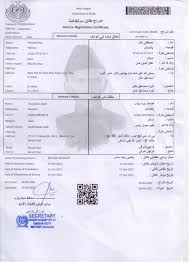
- Documents needed for the marriage, such as affidavits, marriage registration forms, and consent forms, can often be prepared and shared electronically. Couples can fill out these forms and have them reviewed by legal experts online.
3. Coordination with Authorities:
- Some steps involving coordination with local magistrates or marriage registrars can be initiated online. For instance, appointment scheduling and preliminary submission of documents may be facilitated through digital means.
Practical Steps and Considerations
1. Hybrid Approach:
- While a fully online court marriage is not feasible under current laws, a hybrid approach can be taken. This involves completing as many preliminary steps online as possible and then appearing in person for the final Nikah ceremony and registration.
2. Legal Consultation:
- It’s advisable for couples to consult with legal experts who can guide them through the process and help in handling both online and offline aspects efficiently.
3. Witnesses and Officiant:
- Arrangements can be made to have the necessary witnesses and a registered Nikah Khawan present during the in-person ceremony, following all legal requirements.
Conclusion
While the complete process of online court marriage is not yet legally recognized in Pakistan, significant parts of the preparation can be facilitated online. Couples can leverage online consultations and document preparations to streamline the process before completing the essential in-person steps. For the most accurate and updated guidance, it’s recommended to consult with legal professionals who are well-versed in Pakistani marriage laws.