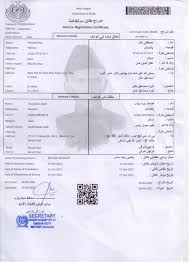

What is Legal Framework of Court Marriage in Pakistan
Court marriage in Pakistan is an increasingly popular choice for couples seeking a straightforward and legally binding union. This process offers an alternative to traditional marriage ceremonies, providing a more streamlined and less cumbersome approach. Here’s a comprehensive guide on the procedure, legal requirements, and cultural considerations involved in court marriages in Pakistan.
Legal Framework and Requirements
1. Age and Consent:
- The legal age for marriage in Pakistan is 18 years for males and 16 years for females, although efforts are underway to standardize the age at 18 for both genders.
- Both parties must consent to the marriage willingly, without any coercion.
2. Legal Documentation:
- National Identity Cards (NIC): Both parties must possess valid NICs or a Computerized National Identity Card (CNIC).
- Marriage Registration Form (Nikah Nama): This form is essential for the marriage to be registered. It contains details about the bride, groom, and witnesses.
- Affidavits: These may be required to declare the marital status and consent of both parties.
3. Witnesses:
- At least two adult male witnesses or one male and two female witnesses are required to be present during the marriage process.
Procedure for Court Marriage
1. Application Submission:
- The couple must submit an application to the local magistrate or a marriage registrar, expressing their intent to marry.
2. Verification Process:
- The authorities will verify the identities and ages of the applicants through their NICs or CNICs.
- Parental consent is typically not required if both parties are of legal age, but it may be requested in some cases.
3. Nikah Ceremony:
- The Nikah (marriage contract) is officiated by a registered Nikah Khawan (marriage officiant).
- The Nikah Nama is completed and signed by the bride, groom, and witnesses.
4. Registration:
- The completed Nikah Nama is submitted to the local Union Council for registration.
- A marriage certificate is issued, serving as legal proof of the union.
Advantages of Court Marriage
1. Simplicity and Cost-Effectiveness:
- Court marriages are generally less expensive and simpler compared to traditional weddings, which often involve elaborate ceremonies and significant expenses.
2. Legal Security:
- A registered court marriage provides legal security and protection for both parties, ensuring their rights are upheld.
3. Privacy:
- Court marriages offer more privacy for couples who prefer a low-key union away from the public eye.
Cultural Considerations and Challenges
1. Social Acceptance:
- While legally recognized, court marriages may face societal resistance, especially in conservative communities where traditional ceremonies are highly valued.
2. Family Opposition:
- Family opposition can be a significant hurdle, particularly if the marriage is interfaith or intercaste. Couples may need to navigate these challenges carefully.
3. Legal Complications:
- In cases where one or both parties are already married or if there are issues with documentation, legal complications can arise.
Conclusion
Court marriage in Pakistan provides a viable alternative for couples seeking a legal and efficient way to formalize their union. Understanding the legal requirements, procedural steps, and potential challenges can help couples navigate this process smoothly. While societal and familial pressures may present obstacles, the legal framework in place ensures that couples can marry with confidence, knowing their rights are protected under the law.